How to Choose the Right Dune Buggy in Dubai
Choosing a buggy in Dubai is less about chasing the biggest engine and more about matching the vehicle to the terrain, the group and the kind of day you want. A buggy that feels quick on open sand can be awkward in tight dunes, while a roomy machine may be better for a relaxed outing but less suited to sharp turns. The right choice starts with a clear idea of how the drive will be used.
Start with the type of drive you want
Before looking at models, decide what the outing should feel like. A short introductory ride on firm desert tracks calls for something easy to control and simple to steer. A longer desert safari over softer sand asks for stronger power, good visibility and a seating layout that stays comfortable. If the plan includes laps and tours with several stops, consider how often people will get in and out.
Think about who will be riding. A single-seater buggy puts the driver in full control and keeps the experience focused. A passenger buggy suits friends or family who want to share the ride, but extra weight changes how the vehicle climbs, turns and stops. Be honest about the group size rather than trying to fit everyone into one machine.
Match the buggy to the terrain
Dubai's desert is not one surface. Some areas have firm tracks, others have loose sand, small crests and sudden dips. A buggy with enough ground clearance handles uneven ground with less scraping underneath. Wide tyres help spread weight across sand, which reduces the chance of sinking or bogging down. Suspension also matters, especially when the route includes repeated bumps.
Ask what conditions the route usually involves. If much of the drive is over soft sand, a machine with strong low-speed control is more useful than one built only for top speed. If the route follows firmer ground, a lighter buggy can feel more responsive. Good judgment here matters more than spec sheets, because the same vehicle can feel very different on hard sand and sliding dunes.
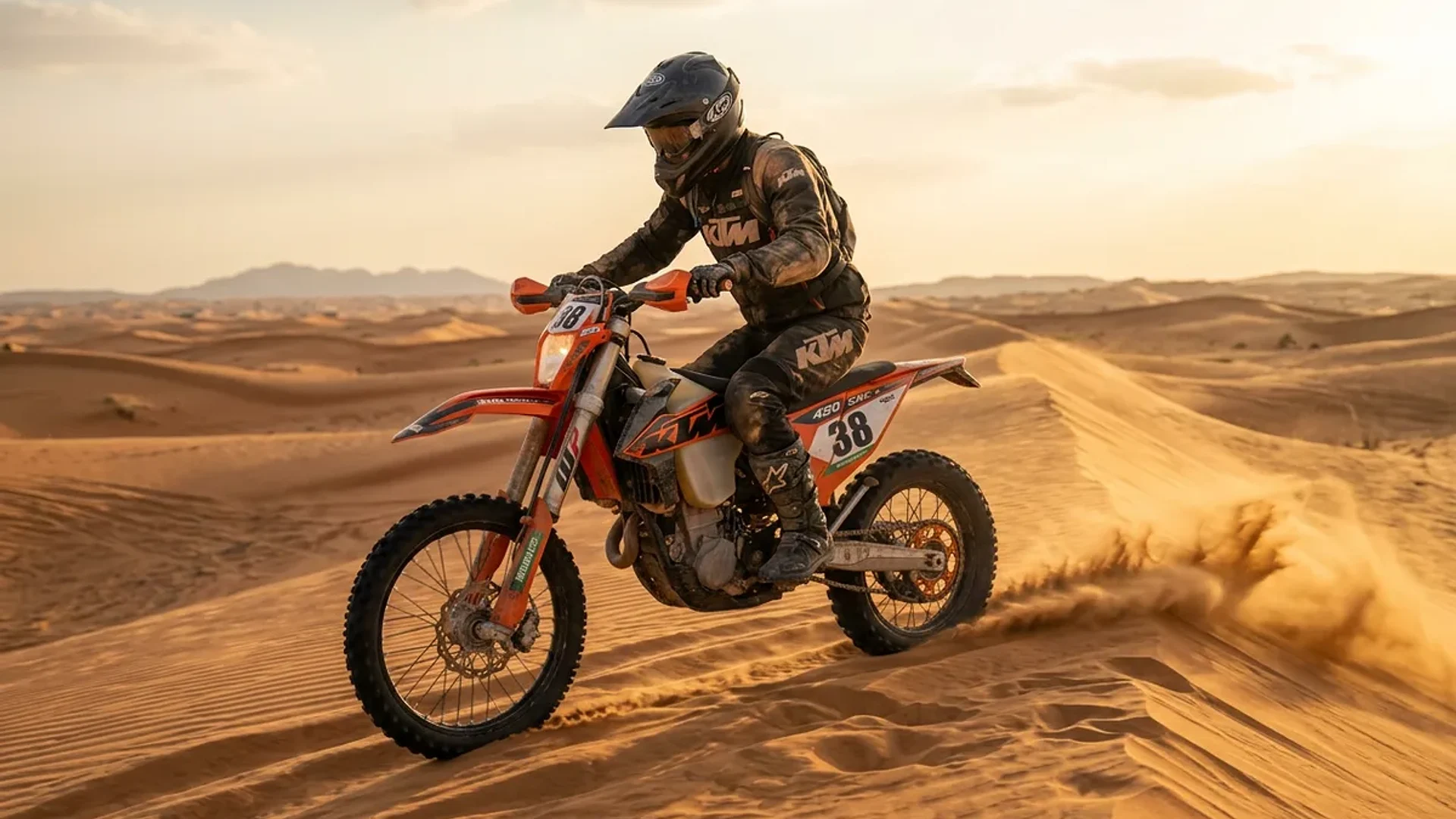
When comparing options connected with buggy dubai, pay attention to how the vehicle is described in relation to the terrain rather than relying on appearance alone. A bold shell and large wheels do not automatically mean better control. The buggy should suit the route, the driver and the pace of the day.
Check control, comfort and visibility
The best buggy for a first ride is usually the one that feels predictable. Steering should feel steady, seating should hold the body in place, and the driver should be able to see the track ahead without leaning. Sand dust can reduce visibility, so a clear view forward is a practical advantage rather than a luxury.
Comfort deserves equal attention. Check whether the seat supports the lower back, whether there is enough legroom and whether passengers have a secure place to sit. On a rough route, a uncomfortable seat becomes a real problem after repeated bumps. Gloves and eye protection can help with grip and dust, while proper safety gear should be worn as directed for the ride.
Drivers should also understand the basic controls before moving off. That includes how to accelerate gently, how to brake smoothly and how to respond if the buggy begins to slide sideways on sand. The aim is not to show off. It is to keep the vehicle stable and leave room for other riders.
Ask how the ride is organised
Once the vehicle type makes sense, look at the way the outing is arranged. Some rides focus on a short burst over nearby dunes, while others include a broader desert safari with stops and other activities. The pace can change sharply between those formats. A short ride may be intense, while a longer tour may include slower stretches where comfort matters more.
At this stage, it is fine to compare details in plain terms. You might check whether the route is suited to beginners, whether there are quieter sections for photos, and whether the group size affects the pace. If you are researching atvridedubai.com, keep the same questions in mind and judge the information by how clearly it explains the driving experience.
Do not assume that a longer ride is always better. More time in the desert can mean more heat, more dust and more fatigue. A shorter option with a well-matched buggy may be easier to enjoy, especially for children, newer drivers or anyone who prefers a calm pace.
Understand the rules before booking
Off-road driving has its own etiquette. Drivers need to keep a safe distance, avoid sudden cuts across another vehicle's path and stay on permitted routes. Dunes can look firm from a distance but shift under weight, so following an established line is usually wiser than inventing a new one. Speed should be adjusted for visibility and for the people nearby.
There may also be rules about age, passenger seating, driving licence requirements or protective equipment. These details vary by operator and route, so they should be confirmed before the day. A responsible choice includes knowing who is allowed to drive and what each rider must wear.
If anything about the vehicle or the ride feels unclear, ask for a straightforward explanation. Vague answers about maintenance, route limits or safety procedures are a reason to slow down and reassess. A buggy should be chosen with the same care as any other activity that involves speed, sand and other people.
Compare value, not just power
Power matters, but it is only one part of the decision. A buggy with moderate power, good suspension and predictable handling can be more satisfying than an aggressive machine that is hard to manage. Think about the whole experience: the route, the time spent driving, the comfort of the seats, the clarity of instructions and the condition of the vehicle.
Also consider what happens if plans change. A choice that works for a solo driver may not work for a group with mixed confidence levels. In those cases, a passenger buggy or a gentler route may keep the day enjoyable for everyone. The aim is to choose a ride that feels controlled from start to finish, not one that looks impressive in a photograph.

Make the final choice with a short check
When the options are close, narrow them down with a few practical questions.
- Does the buggy suit the sand conditions and route?
- Is the seating right for the number of riders?
- Can the driver see clearly and reach the controls with ease?
- Are the safety gear and riding rules clear before the start?
- Does the pace match the group's confidence and comfort?
A good answer to most of these questions is more useful than a flashy description. The right buggy should make the desert feel accessible, not intimidating. Once the vehicle, route and group fit together, the ride becomes far easier to enjoy and far simpler to manage.
Choosing well also protects the experience for everyone around you. Steady driving, clear communication and respect for the dunes help keep the outing smooth. Whether the plan is a compact ride over nearby sand or a wider desert safari, the best buggy is the one that matches the day you actually want to have.